Wood-Burning Stoves & Fireplaces
Clean-burning wood, checked model by model. Cast-iron stoves from Denmark and steel fireplaces from Belgium, every one certified for a wood fire in the homes we work in.
Every model, with its emissions figure
A wood fire asks more of a room than a gas one, and gives more back: the sound of it, the smell of the wood, the ritual of the evening. What has changed is the stove. A certified modern stove burns its own smoke, so the fire is hotter, the glass stays clear, the chimney stays cleaner, and the particulate leaving the flue is a fraction of what an old stove sent out. That is the standard we hold every wood fire on this page to: EPA 2020 certified, with the emissions figure published by the maker, and eligible for registration under Metro Vancouver’s Bylaw 1303.
Morsø pours its stoves in cast iron in Denmark: the squirrel-sided classics, the 1930s 2B, the sculptural 6100s and the modern 7110, nine models with a figure beside each. Stûv, from Belgium, builds the other way round: steel, minimal, engineered so that the fire is all you see. The 6-H is a small stove with everything unnecessary taken out; the 21 is a fireplace whose glass rises like a guillotine to turn a closed fire into an open one; the 16 comes in three forms designed to disappear into the wall.
A wood fire is decided by its chimney. Where the flue can run, how tall it must be to draw, what the clearances are to the wall and the floor, and what the municipality asks before the fire is lit: those questions come before the choice of stove, and they are the ones Maxwell Fireplace answers first. We help you choose the model, plan the chimney run and the hearth, handle the permit and tell you what the bylaw registration asks, and install the stove and the chimney with our own crew. The hearth stone, the surround or the tile we plan together with the trades doing it — yours, or ones we bring in. Bring us a photograph of the room and we will tell you which of these fires it can hold.
The wood fires we feature
Each one has its own page, with the certification and the figure beside each model.
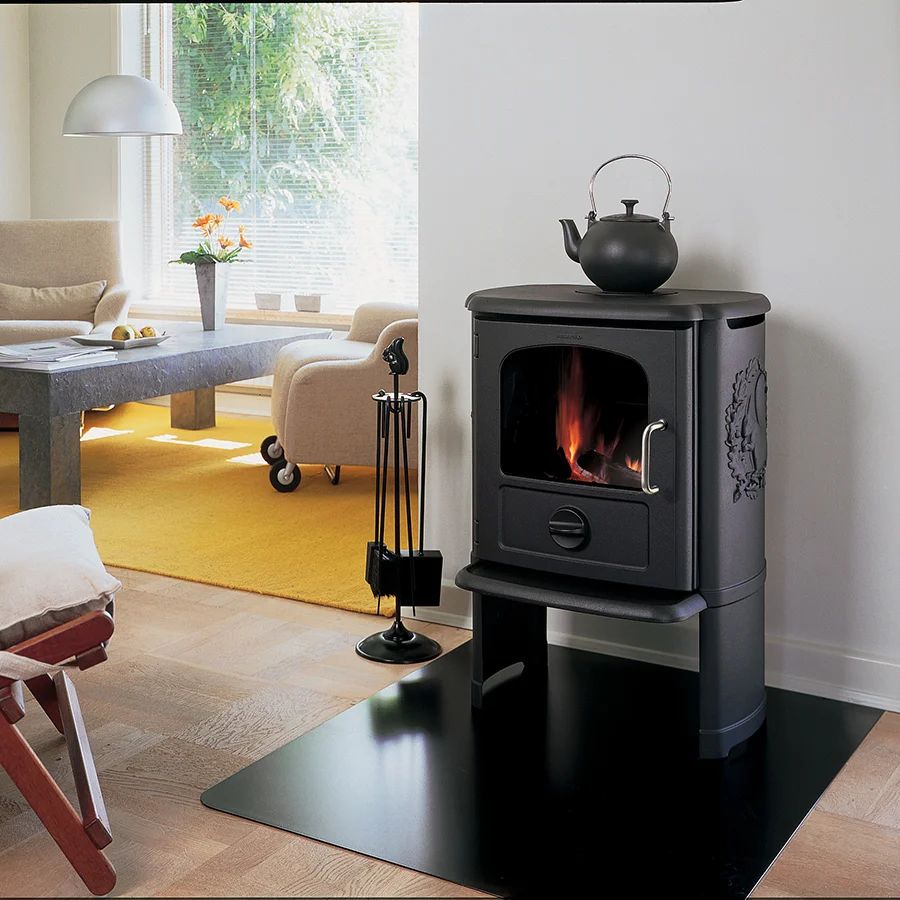
Morsø Wood Stoves
Nine cast-iron stoves, poured in Denmark and EPA certified for a wood fire here — the squirrel-sided classics, the 1930s 2B, the sculptural 6100s and the modern 7110, each with its emissions figure on the page.
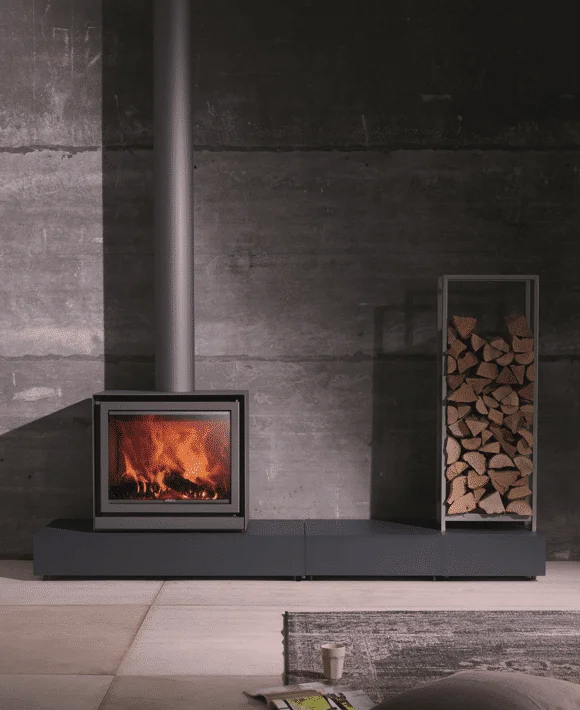
Stûv 16
Three forms, one quiet idea. Engineering, designed to disappear.
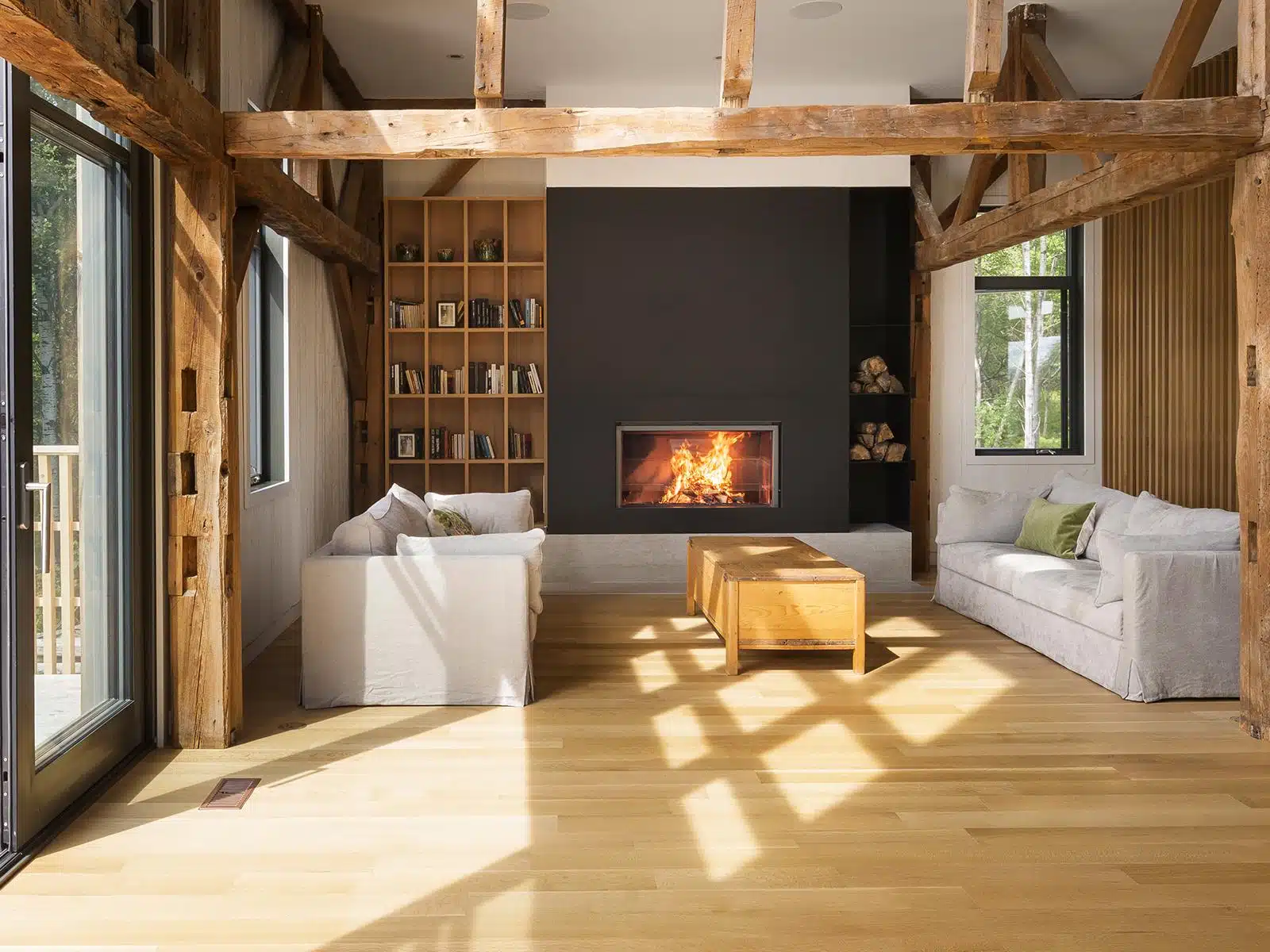
Stûv 21
A fireplace reduced to fire — a frameless guillotine glass that rises to turn one hearth into two: a clean closed fire, or an open one. Single-faced, see-through, and the pre-clad Stûv 21 Clad.
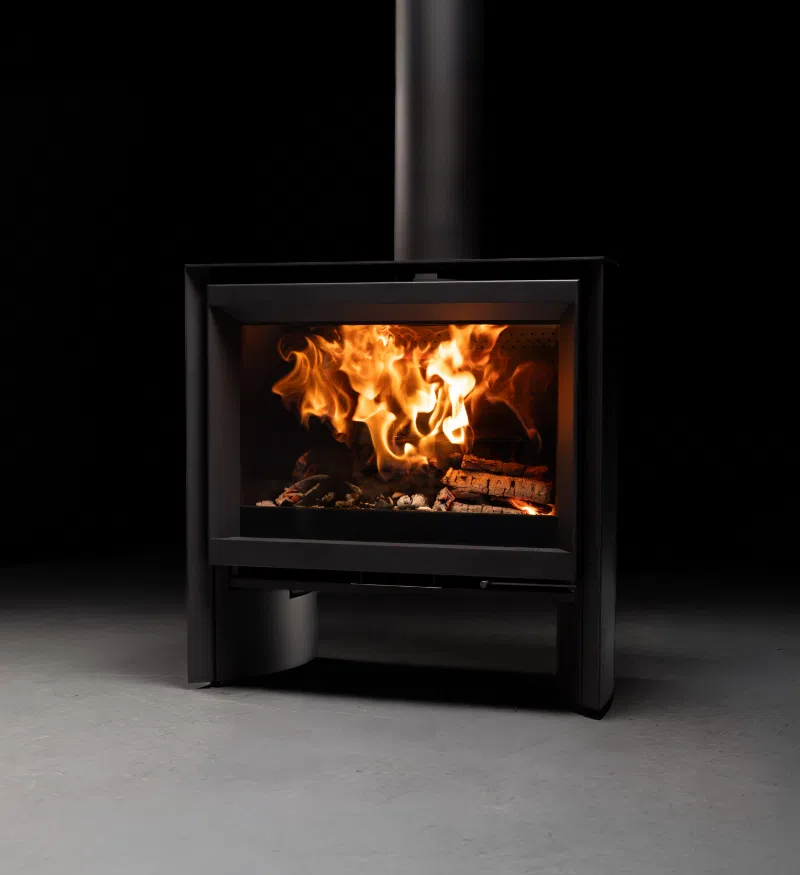
Stûv 6-H
A small wood stove with everything unnecessary taken out — a patented firebox that narrows behind to push the fire forward, air it regulates itself, and emissions at 1.9 g/h: fully certified for Metro Vancouver and eligible to register under Bylaw 1303.
Questions people tend to ask
Can I still put a wood stove in a home in Metro Vancouver?
Yes. Bylaw 1303 does not stop wood burning; it asks that a new wood-burning appliance meet an emissions standard and be registered. Every stove and fireplace on this page is EPA 2020 certified, which satisfies the standard, and we tell you what the registration asks in your municipality.
What is the difference between a stove and a wood fireplace?
A stove stands in the room on its own hearth and warms it from all sides; a built-in fireplace like the Stûv 21 or 16 sits inside a wall, framed and finished, and reads as architecture rather than furniture. Both burn the same way and vent the same way. The choice is usually about the room: a stove for the cabin, the kitchen corner or the room with a chimney breast; a fireplace for the wall that is being built anyway.
What does the g/h figure on each page mean?
Grams of particulate per hour, the figure the EPA tests every model for. The lower the number the cleaner the burn. Every model here sits comfortably under the certification limit, and the maker’s figure is printed on its page so you can compare them.
Do I need a chimney?
Yes, a real one: an insulated factory-built chimney or a lined masonry flue, run to the height that draws properly. That is most of the installation, and it is the first thing we plan, because it decides where in the room the fire can go.
A fireplace is only half of it. The other half is who places it.
Maxwell Fireplace is North Vancouver’s Creative FireSpaces™ — and we stay involved in every part of the job. The fireplace itself is ours from the first conversation to the final flame: design and placement, permitting, delivery, installation, and the care that comes after. When the work runs to a surround, a mantel, tile or millwork, we plan it with the trades doing it — yours, or ones we bring in — so the fire and the wall are drawn as one thing rather than two. One point of contact, and nothing lost in the gap between trades.
It’s exactly why a wood fire belongs with us. A stove only pays off if the chimney was planned before the stove was chosen, the clearances were drawn against the real wall and floor, and the bylaw was answered before the first match — and that is the difference between an appliance and a centrepiece. We serve homeowners and contractors across Greater Vancouver, the North Shore, and the Sea to Sky Corridor — Squamish to Whistler and Pemberton — and we’d love to show you what’s possible for your room.