Linear & Modern Gas Fireplaces
Frameless, edge-to-edge fire for the modern wall. A wide plane of flame, the finish carried right to the glass, and a television where the mantel used to be.
The largest group in the collection
The linear fireplace is the one that changed how a wall is designed. Where a traditional fire sits in a surround, a linear fire is a horizontal opening with nothing around it: no frame to speak of, the stone or the plaster or the panelling running right to the glass, and a long low ribbon of flame that reads as a line in the architecture rather than an object in the room. Most of them keep the wall above cool enough for a television, which is what put the fireplace back in the centre of the living room.
This is the largest group in the collection because the makers have taken the idea in so many directions. Valor’s L Series and LX2 are radiant and fanless, glazed on one side, three sides or around a corner, and still warming the room when the power goes out. Enviro’s C Series runs from 32 to 70 inches of glass with a power vent that reaches almost anywhere. The Marquis Enclave comes single-sided, see-through, corner or bay, with a vented chase that lets the finish run to the glass. Element4 names its fires by how many sides they show, up to a four-sided column you can walk around. Montigo’s DelRay, Regency’s City Series and New York View 60, and Ortal’s wide planes of fire each take a different view of the same wall.
A linear fireplace is decided before the wall is framed. The width has to be drawn against the wall and the furniture, the height of the glass against the room, the television against the maker’s cool-wall system, and the vent against what the house will allow. That is the work Maxwell Fireplace does with you: choosing among the makers and the sizes, planning the vent run and the framing to the maker’s drawings, pulling the permit, and installing the fireplace with our own crew. The stone, the plaster or the panelling around it we plan together with the trades doing it — yours, or ones we bring in. Bring us the drawings, or a photograph of the wall, and we will tell you which of these it can hold.
The linear fires we feature
Each one has its own page. Read the story, then come and see it.
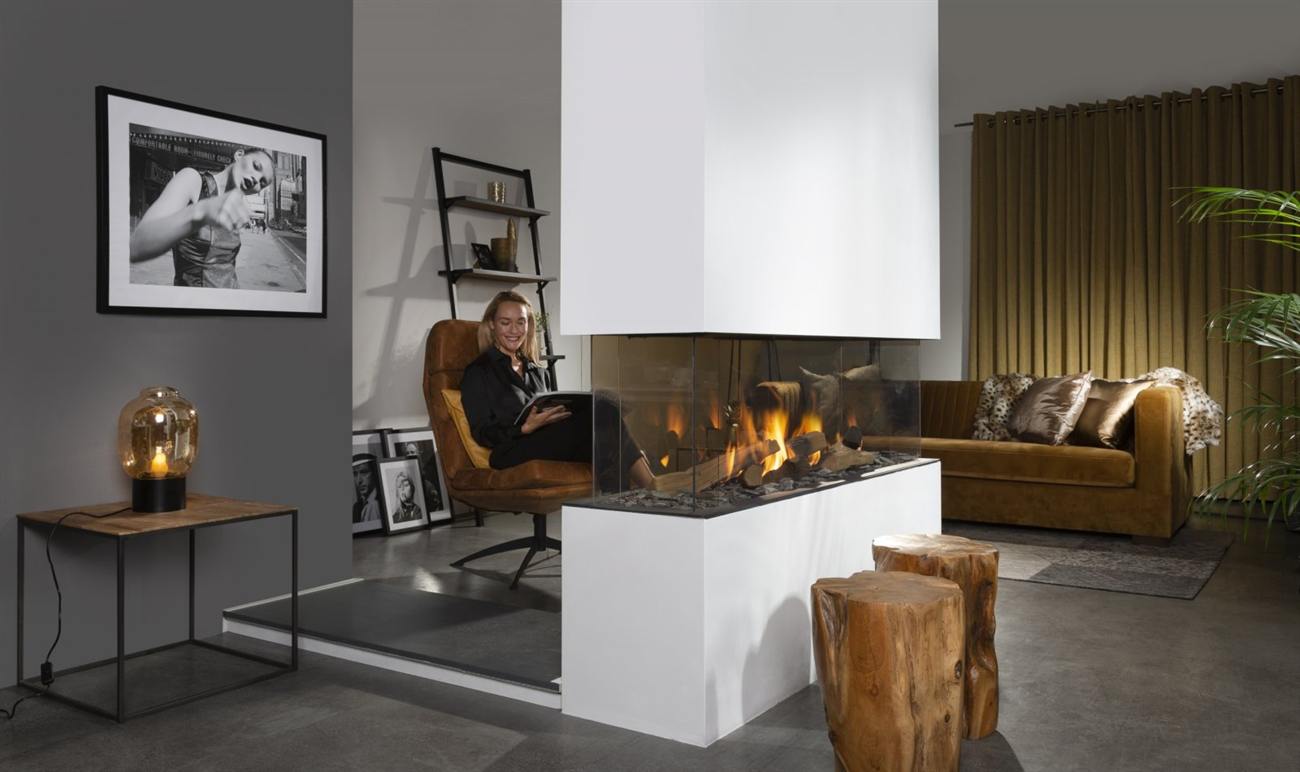
Element4 Gas Fireplaces
A Dutch house that names its fireplaces by arithmetic — Modore, Bidore, Trisore: one side of the fire, two, three — and the Summum platform that offers the same fire six ways, up to a four-sided column you can walk around.

Enviro C Series
Five linear gas fireplaces from 32 to 70 inches of glass, built in Saanichton, British Columbia — with a Cool Surface System for the television above and a power vent that reaches almost anywhere.

The Marquis Enclave
A linear gas fireplace in four sizes — the 34, the 48, the tall-glass 61 and 62, and the 72 — single-sided, see-through, corner or bay, with a vented chase that lets wood, plaster or tile run right to the glass. Built in Winnipeg, Manitoba.
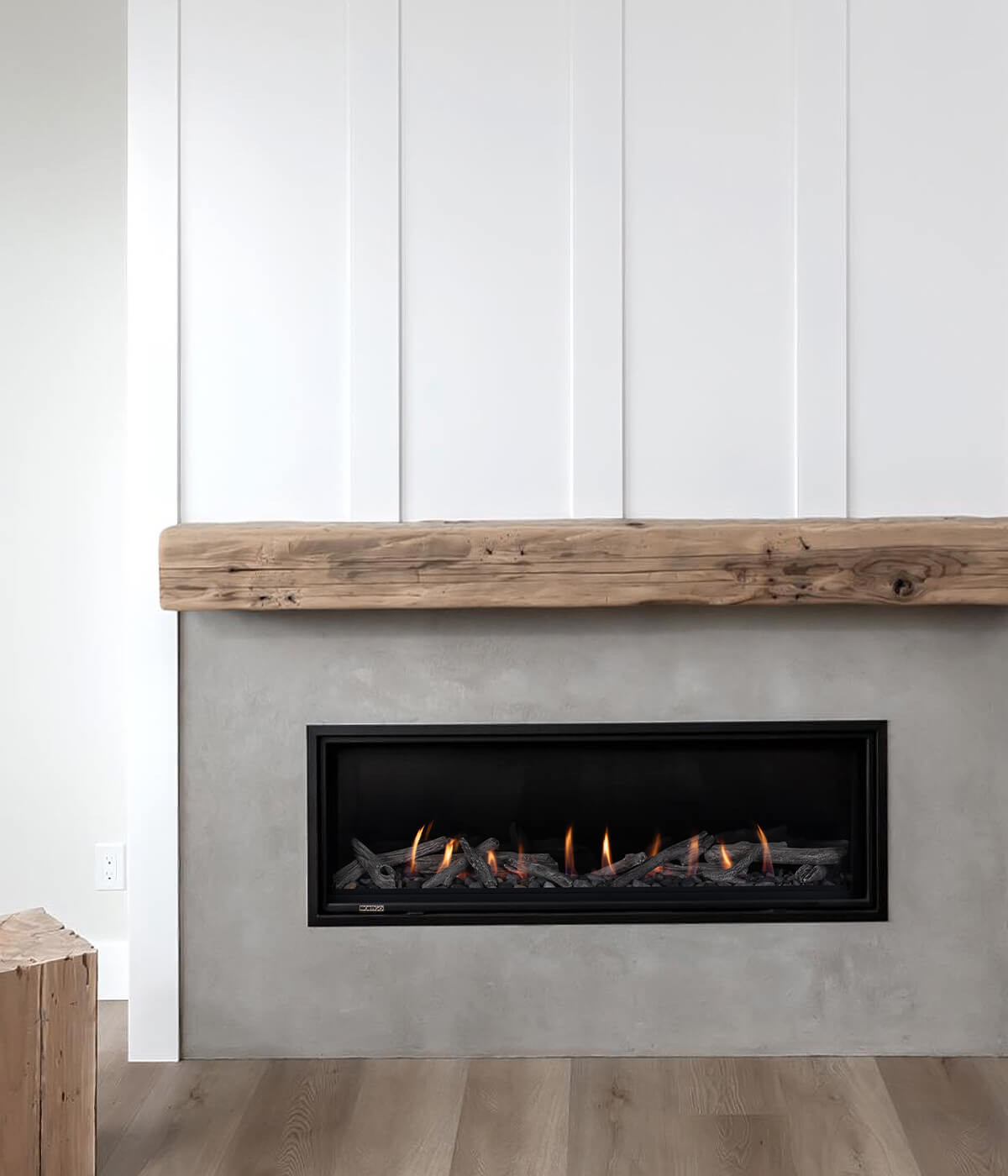
Montigo® DelRay
A clean-faced modern fireplace in two shapes and eight proportions — slim enough for almost any wall, with the finish carried right to the glass.
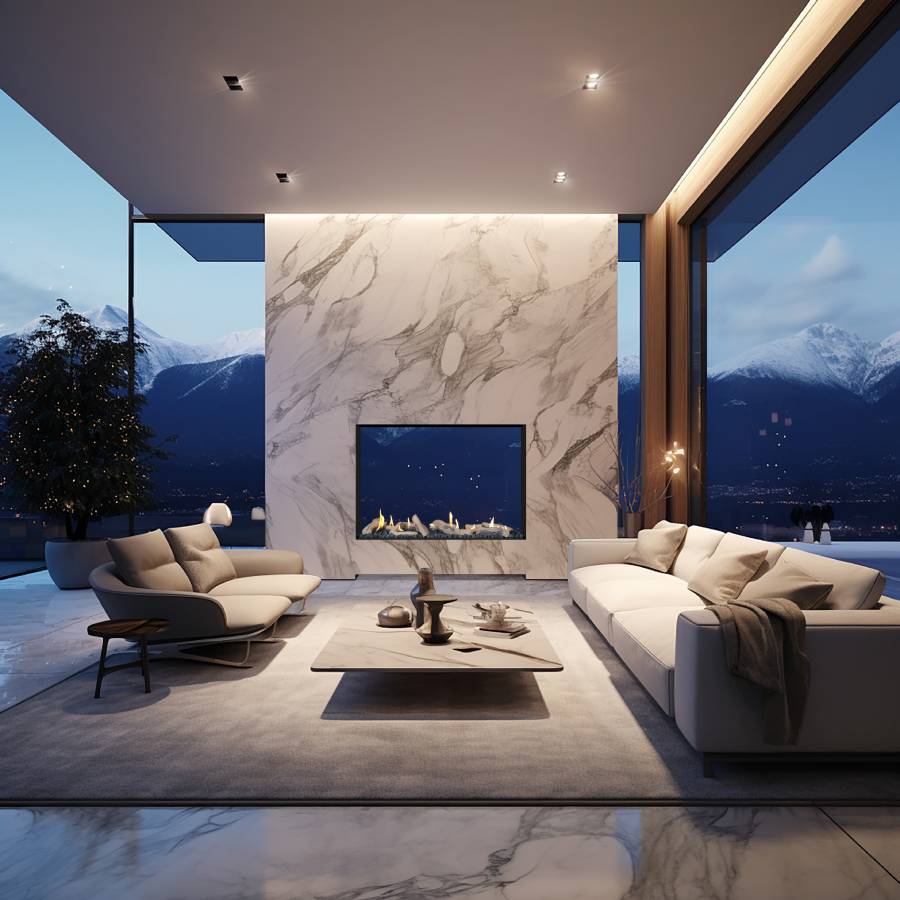
Ortal
A wide plane of fire, a cool wall above it, and the Power Vent freedom to place it on almost any wall.
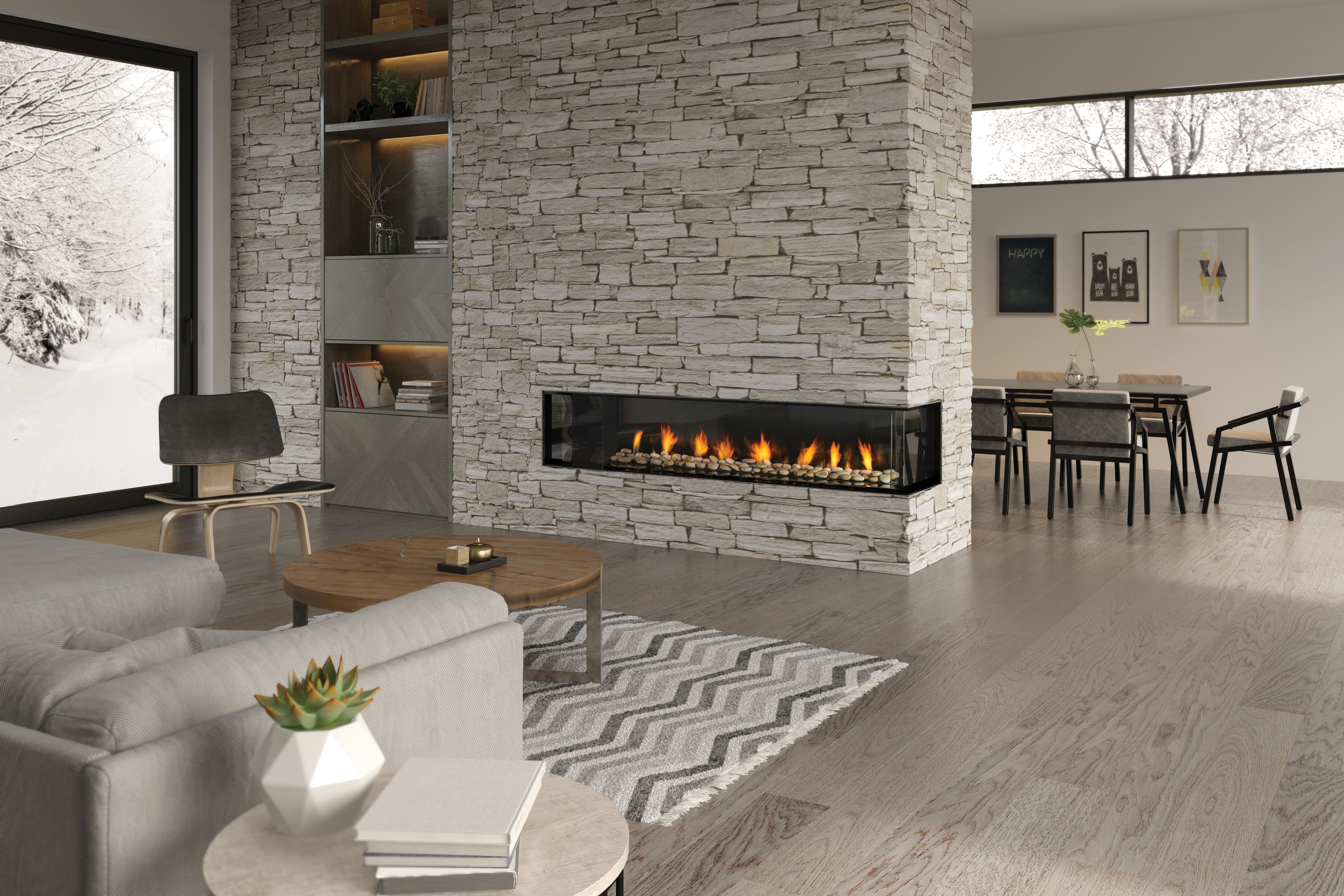
Regency® City Series
A family of modern gas fireplaces named after cities — five forms, one uninterrupted plane of flame.
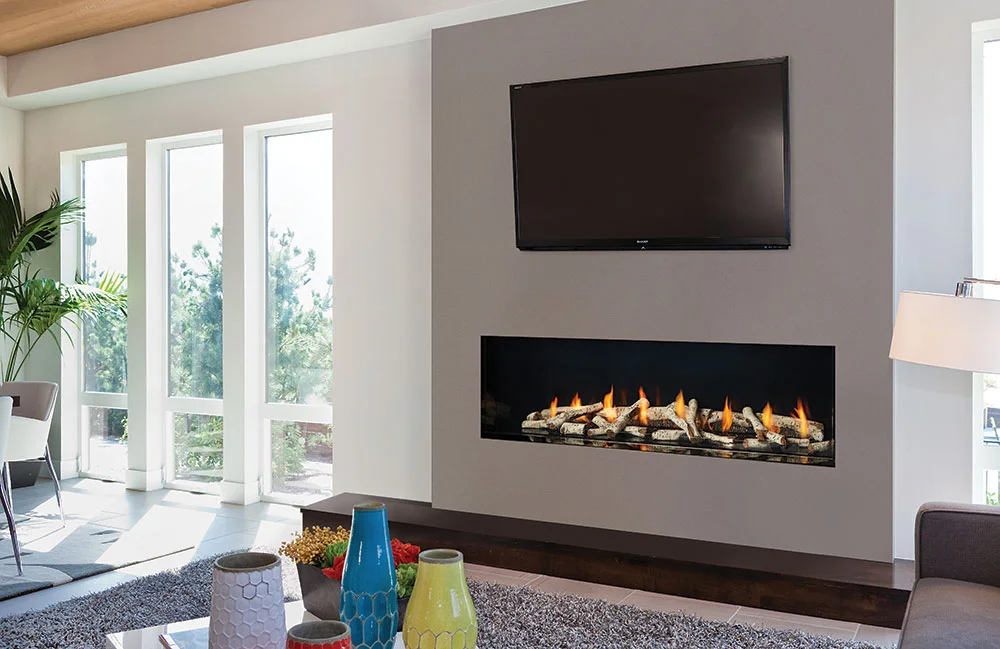
Regency® New York View 60
Some fireplaces heat a room. This one defines it.
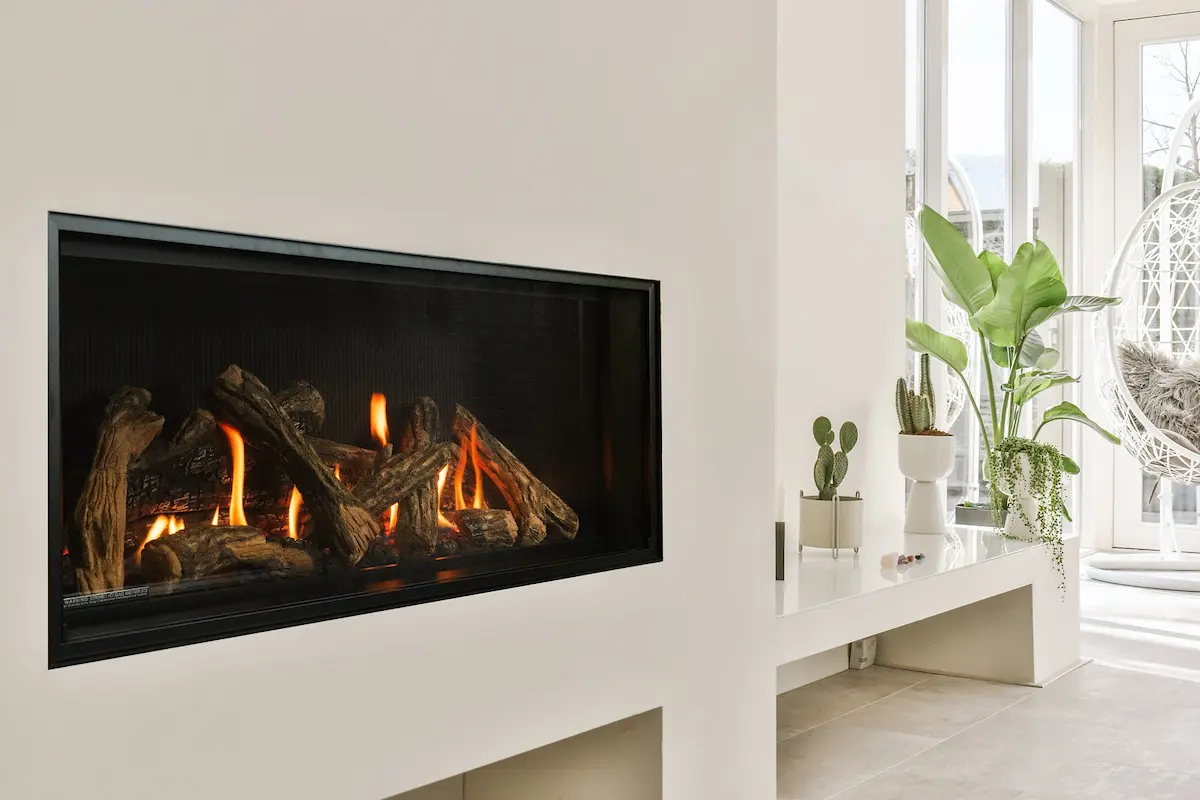
The Valor L Series
Three widths of low linear fire and two taller Landscape versions — radiant, fanless, still warming the room when the power goes out, and with HeatShift™ so the television above stays cool.
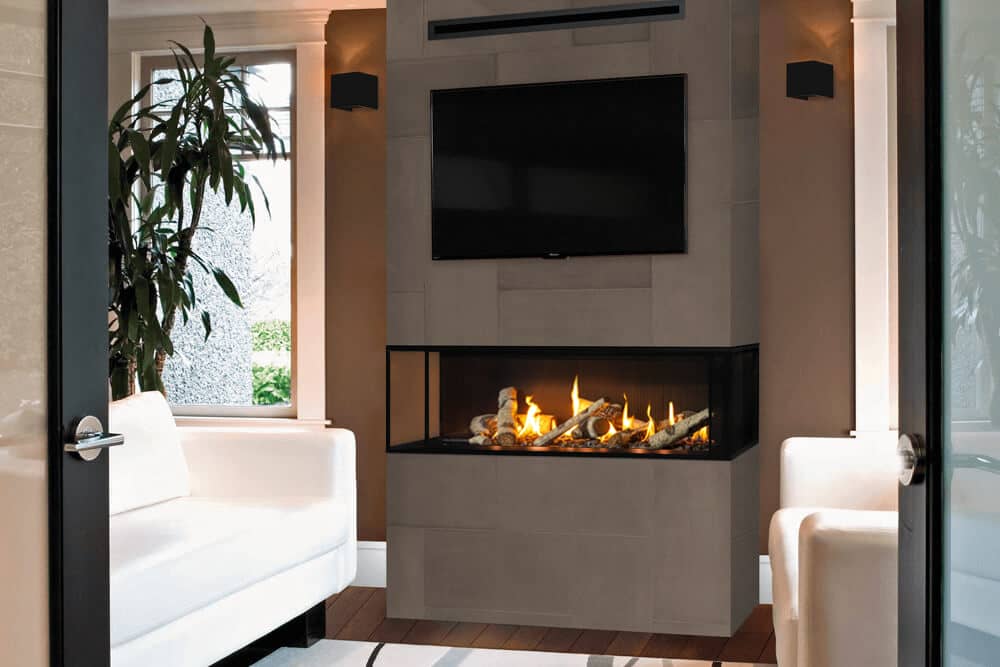
The Valor LX2
The L Series fire glazed on three sides or wrapped around a corner — for the pier, the peninsula and the open plan that was never laid out around a hearth.
Questions people tend to ask
Can I put a television above a linear gas fireplace?
Usually, and it is the reason most people want one. Valor’s HeatShift™, Enviro’s Cool Surface System, Regency’s Cool Wall and Ortal’s cool-wall design each manage the heat off the face so the wall above stays cool enough for a screen. The clearances still come from each maker’s manual, and we plan the wall to them before it is framed.
How wide should it be?
Wider than you think, and drawn on the wall before you decide. The fires here run from about 32 inches of glass to more than 70, and a long wall wants a long fire; a small one in a big wall reads as a letterbox. We draw the fireplace on the wall, with the furniture, before we recommend a size.
See-through, corner or three-sided?
A see-through fire joins two rooms; a corner or three-sided one turns a pier or a peninsula into the reason the room is arranged the way it is; a four-sided column stands in the middle of an open plan. Valor, Marquis and Element4 each offer several of these forms, and the choice usually comes from the floor plan rather than the fireplace.
Do they heat the room?
They do, and most turn down for a mild evening. Valor’s are radiant and fanless and keep working through a power outage; most of the others push the warmth with a fan. If heat is the priority we say so; if the fire is the point, we say that too.
A fireplace is only half of it. The other half is who places it.
Maxwell Fireplace is North Vancouver’s Creative FireSpaces™ — and we stay involved in every part of the job. The fireplace itself is ours from the first conversation to the final flame: design and placement, permitting, delivery, installation, and the care that comes after. When the work runs to a surround, a mantel, tile or millwork, we plan it with the trades doing it — yours, or ones we bring in — so the fire and the wall are drawn as one thing rather than two. One point of contact, and nothing lost in the gap between trades.
It’s exactly why a linear fire belongs with us. A linear fireplace only pays off if the width was drawn against the wall, the television was planned with the cool-wall system rather than around it, and the vent was run before the wall was framed — and that is the difference between an appliance and a centrepiece. We serve homeowners and contractors across Greater Vancouver, the North Shore, and the Sea to Sky Corridor — Squamish to Whistler and Pemberton — and we’d love to show you what’s possible for your wall.